
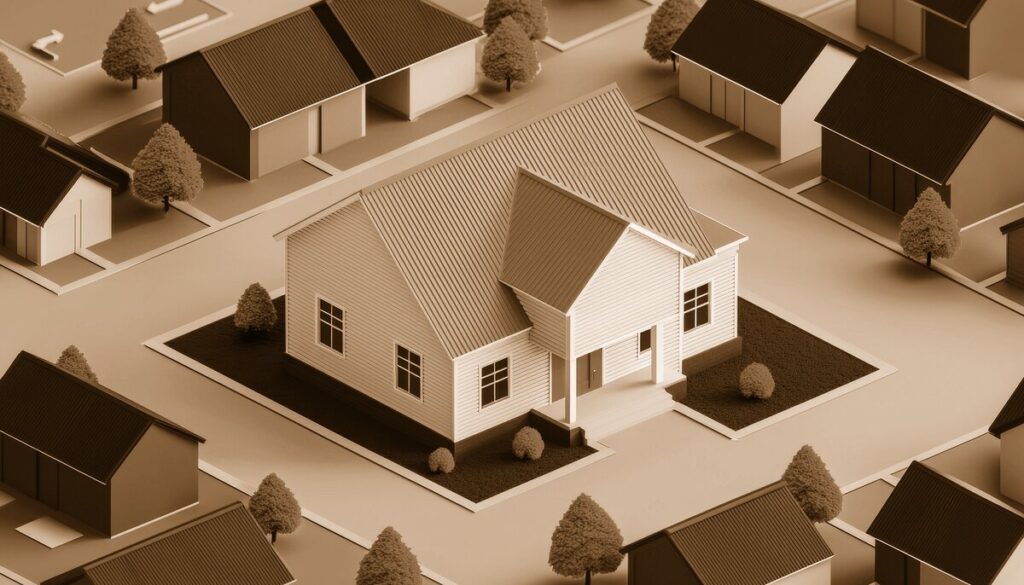
If you wander through the tree-lined streets of Arlington Heights, there’s a particular neighborhood where community pride and a sense of timeless charm seem to bloom a little more brightly—welcome to Ivy Hill. From its green parks and peaceful cul-de-sacs to its deep history, Ivy Hill has long been one of the most beloved corners of the northwest suburbs.
The Origins of Ivy Hill
The story of Ivy Hill begins in the post-war years, when Chicago’s suburbs expanded rapidly to accommodate a population eager for homeownership and community. Ivy Hill, roughly bordered by Arlington Heights Road to the west, Rand Road (Route 12) to the north, and Dryden Avenue to the east, found itself in the crosshairs of suburban growth in the 1960s.
Developers sought to create a neighborhood that balanced modern conveniences with a sense of natural serenity. The landscape, with its gentle rises and pockets of tall, leafy trees, was reminiscent of English countryside gardens. Hence the name “Ivy Hill” was chosen—it spoke to both the literal greenery that the builders sought to preserve and the tranquil elegance they hoped to cultivate within its borders.
How Ivy Hill Got Its Name
The naming of Ivy Hill was both poetic and practical. Local lore suggests that early developers were enchanted by the natural ivy that clung to trees and older stonework found around the site. Determined to create a place that felt lush and welcoming, “Ivy Hill” echoed the gentle hills and verdant plant-life dotting the lots. The name also evoked imagery of stability and growth—qualities that would come to define the community over the decades.
Key Historical Milestones
Ivy Hill’s history is tightly woven with the evolution of Arlington Heights. Here are some defining moments:
- 1960s – The Founding Years: Ivy Hill’s first streets—such as Ivy Lane, Hickory Avenue, and Magnolia Street—saw new homes rise, mostly ranches and split-levels with wide yards designed for family life. By the late 1960s, hundreds of families had made Ivy Hill their home.
- 1970s – Growth and Community: The centerpiece of the area, Ivy Hill Elementary School (2211 N Burke Dr.), opened in 1968, helping foster a close-knit environment as parents and children established roots together. Nearby, St. Edna Catholic Church began to serve the spiritual needs of the area.
- 1980s–1990s – Flourishing Parks and Diversity: Lake Arlington, just west of Ivy Hill, was developed in the 1980s, offering scenic walking paths, boating, and fishing—a natural retreat for residents. Ivy Hill Park became a hub for youth sports and outdoor gatherings, echoing with the sounds of little league games and July fireworks.
- 2000s–Present – Renewal and Stability: The turn of the millennium brought reinvestment. Older homes were lovingly updated or replaced, and neighborhood watch groups formed, helping Ivy Hill maintain its reputation for safety and friendliness. Annual block parties and garage sales became tradition.
Notable Landmarks and Institutions
No tour of Ivy Hill would be complete without acknowledging the special places that anchor it:
- Ivy Hill Elementary School: More than an institution, “the Hill” represents the heart of the neighborhood—a place where generations of children have learned and laughed. The school, framed by oaks and playgrounds, is often the site of picnics, voting precincts, and holiday concerts.
- Ivy Hill Park: Set along Burke Drive and within walking distance to most homes, it boasts baseball fields, tennis courts, and lush open spaces. Residents often reminisce about summer evenings spent here, watching fireflies light up beneath the towering maples.
- St. Edna Catholic Church: With its distinctive modernist architecture on North Arlington Heights Road, St. Edna’s has offered spiritual comfort, community service, and cultural festivals since 1965. It stands not just as a place of worship, but as a gathering space for people of all backgrounds.
Ivy Hill’s Evolving Landscape
Over the decades, Ivy Hill has matured gracefully. While the homes built in the 1960s and 1970s still largely define its skyline, new landscaping and periodic renovations have given the streets fresh life. Many of the original families remain, but new generations arrive each year, drawn by excellent schools, walkable streets, and the promise of a close, neighborly lifestyle.
Residents continue to look out for each other—whether it’s shoveling driveways in winter, hosting summer block parties, or organizing food drives with the local PTA. Walking the sidewalks along Beverly Lane or Kensington Road, you might spot children riding bikes, neighbors exchanging cheerful waves, or families heading to Lake Arlington for a sunset stroll.
The Enduring Spirit of Ivy Hill
What makes Ivy Hill so special? Ask any longtime resident, and they’ll tell you: it’s the blend of stability and welcome, the parks and schools wrapped in greenery, the pride in keeping yards neat and traditions alive. But perhaps above all, it’s the feeling that you’re part of something lasting—a neighborhood that honors its past while embracing each new chapter.
As Arlington Heights continues to grow and change, Ivy Hill stands as a testament to thoughtful community planning and the enduring power of neighborly bonds. For those lucky enough to call it home, Ivy Hill is more than just a place on the map—it’s a treasured part of their story, and one of the northwest suburbs’ quiet treasures.